The role of cavalry in the American Civil War extended far beyond the common image of horsemen charging with drawn sabers. Mounted troops served as an army’s eyes and ears, gathering intelligence, protecting flanks, disrupting supply lines, and pursuing defeated enemies. They also often fought on foot with carbines rather than from the saddle.
Cavalry could shape what commanders knew, where armies could move and whether a surprise attack succeeded. Virginia’s roads, rivers, railroads and open farmland made it one of the war’s most important cavalry theaters. That relationship between landscape and military operations is still visible across our Civil War battlefield tours in Virginia.

Cavalry Served as an Army’s Eyes and Ears
Civil War commanders had no aerial photographs, radios or rapid communications. They needed reliable information about enemy numbers, positions and movements, and cavalry was best placed to find it. Mounted patrols rode ahead of the main army, watched roads and river crossings, questioned civilians and reported what they saw.
A strong reconnaissance report could prevent an army from marching into danger. It might reveal an exposed flank, a weakly guarded crossing or an opportunity to strike first. Cavalry therefore operated well beyond the infantry lines, in territory where the enemy could be close and the situation could change quickly.
Cavalry also screened an army’s movements. Mounted troops moved between the main force and the enemy, making it harder for opposing commanders to learn where an army was heading. During the Gettysburg Campaign in 1863, J. E. B. Stuart’s Confederate cavalry attempted to shield Robert E. Lee’s movement north through Virginia, while Union cavalry worked to uncover it.
Small detachments, known as pickets, watched approaches to camp, bridges, fords and crossroads. They warned commanders when enemy troops appeared and could delay an advance long enough for infantry to form a defensive line. Their value often lay in what they discovered before a battle began.

Cavalry Protected Roads, Crossings and Supply Lines
Mounted troops moved much faster than infantry and could cover long distances in a short time. Commanders used that mobility to guard wagon trains, protect important roads and secure river crossings. Cavalry could also move around an enemy force and threaten the railroads, depots and bridges that kept an army supplied.
Raids became one of the most visible cavalry roles of the war. Troopers might tear up railroad tracks, destroy supplies, cut telegraph wires or capture wagons and prisoners. These operations could force the opposing army to divert troops from the front to protect its communications.
Raiding was not simple or risk-free. A cavalry column operating far from support needed food, ammunition, fresh horses and a reliable route back to friendly lines. An ambitious raid could create disruption, but it could also leave mounted troops isolated and vulnerable.
Virginia repeatedly showed why this work mattered. At the Battle of Brandy Station on June 9, 1863, Union cavalry crossed the Rappahannock River and attacked Stuart’s force near Culpeper. The battle began as an effort to discover Confederate preparations before Lee’s move north. The landscape at Brandy Station remains a powerful reminder of how cavalry fought for control of roads, high ground and information.

Civil War Cavalry Did Not Always Fight on Horseback
Popular images of Civil War cavalry tend to focus on mounted charges. Charges did take place, and the saber remained important in close combat, pursuit and moments of confusion. Yet a direct attack against disciplined infantry armed with rifled muskets could be extremely costly.
Horses were large and vulnerable targets. Woods, fences, stone walls, steep slopes and muddy ground could also make a mounted attack impractical. As a result, cavalrymen regularly dismounted and fought on foot.
A trooper would leave his horse with a designated holder, then advance or defend with a carbine. This allowed cavalry to contest a road, ridge or crossing while retaining the ability to mount quickly and move elsewhere. Dismounted fighting became more common as firearms improved and campaigns became more demanding.
This did not make cavalry less important. It made them more flexible. Mounted troops could scout in the morning, skirmish on foot during the day and pursue a retreating enemy before nightfall. Their mobility allowed them to serve as an advance guard, flank protection or battlefield reserve when needed.

Virginia Shows How Cavalry’s Role Changed During the War
Early in the war, Confederate cavalry earned a strong reputation for scouting and raiding, particularly under Stuart. Union commanders gradually developed a more effective mounted arm by organizing larger formations, improving coordination and using cavalry more aggressively in major campaigns.
Brandy Station marked an important turning point. The Union cavalry did not gain a decisive tactical victory, but it proved that it could meet Confederate horsemen in a major engagement and fight on more equal terms. From that point, Union cavalry became a more formidable force in the Eastern Theater.
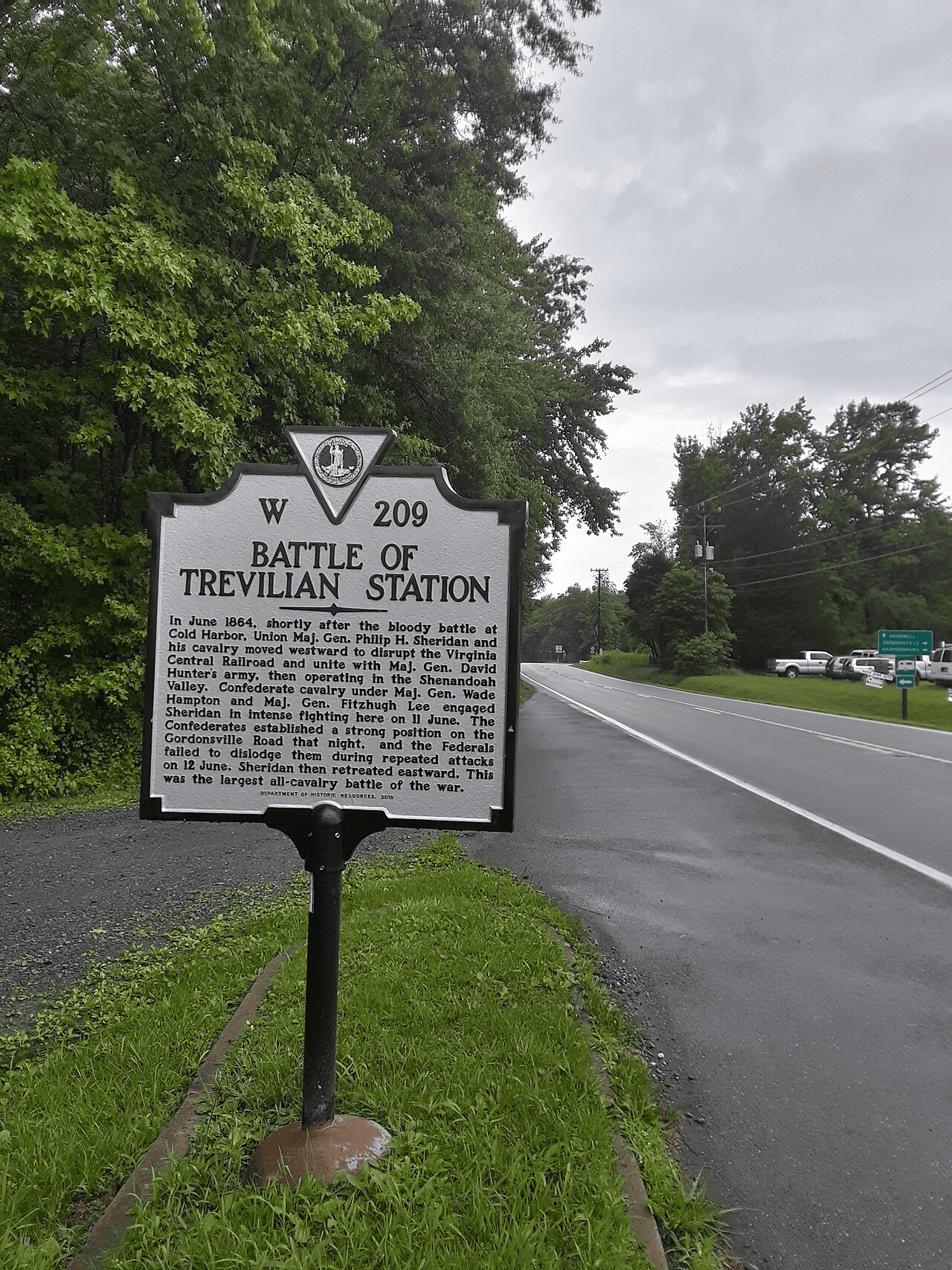
By 1864, cavalry operations stood at the center of the fighting in Virginia. Philip Sheridan’s Union cavalry fought Stuart at Yellow Tavern in May, where Stuart was mortally wounded. Commanders still depended on mounted troops for reconnaissance, screening and protection during fast-moving operations.
When cavalry was absent, delayed or misused, an army could lose awareness of enemy positions, available roads and approaching columns. That uncertainty could affect decisions at the highest level of command and influence the course of an entire campaign.
The Lasting Importance of Civil War Cavalry
Virginia’s cavalry battlefields show how closely military operations depended on the landscape. A ridge could provide a valuable lookout point. A ford could control an army’s route across a river. A country road might carry thousands of cavalrymen toward a larger campaign that would shape the war.
The cavalry story also reveals the demanding daily reality of military service. Soldiers had to care for their horses, travel long distances in harsh weather and operate far beyond the security of the main army. It adds another dimension to the experience of an American Civil War soldier, especially for those serving on long patrols and dangerous reconnaissance missions.
The role of cavalry in the American Civil War was never limited to the charge. Cavalrymen gave armies vital information, protected their movements, struck vulnerable supply lines and fought wherever the campaign required them. Our Brandy Station tour follows one of the war’s defining cavalry battlefields, while Battlefield Tours of Virginia connects it to the larger story of the war. For help planning your visit, please contact us.