The Burning of the Shenandoah Valley was one of the most destructive campaigns of the American Civil War. In the autumn of 1864, Union forces under Major General Philip Sheridan destroyed crops, barns, mills, and livestock across a large part of Virginia’s Shenandoah Valley.
For the people who lived there, this was not simply another military operation. It was an event that reshaped homes, farms, and communities. The campaign revealed how the Civil War had become a struggle that reached far beyond the battlefield and into the daily lives of civilians.
The Shenandoah Valley remains one of the most compelling places to explore Civil War history. If you are planning a visit, browse our Shenandoah Valley battlefield tours or contact Battlefield Tours of Virginia to discuss your trip.

Why the Shenandoah Valley Became a Target
The Shenandoah Valley was strategically vital to the Confederacy. Its farms produced wheat, corn, livestock, and other supplies for Southern armies, earning the region a reputation as an important agricultural storehouse. The Valley also offered Confederate forces a natural route north toward the Potomac River, Maryland, and Washington, D.C.
In 1864, Confederate General Jubal Early used the Valley during his raid toward Washington. His campaign alarmed Union leaders and showed that Confederate forces could still use the region to threaten the North. In response, Ulysses S. Grant gave Philip Sheridan command of the Army of the Shenandoah. Sheridan’s mission was to defeat Early’s army and stop the Valley from supporting future Confederate military operations.
Sheridan won major victories at Third Winchester and Fisher’s Hill in September 1864. Early’s army withdrew south, leaving Sheridan in control of much of the Valley. Those victories opened the way for a far harsher phase of the campaign.

H2: The Destruction of Confederate Resources
From late September into early October 1864, Union troops moved through the Valley and destroyed resources that could support Confederate forces. The campaign became known simply as “The Burning.”
Soldiers burned barns, mills, wheat stacks, hay, and farming equipment. They seized or drove away livestock, including cattle, horses, and sheep. The purpose was not to destroy every home or town. Instead, Union leaders hoped to make the region unable to feed, equip, or shelter a Confederate army.
The destruction spread across a wide area, reaching from around Staunton north toward Strasburg. Farms and communities throughout the Valley felt its effects. Sheridan later reported that his troops had destroyed more than 2,000 barns and over 70 mills, while also capturing or removing thousands of animals.
The campaign formed part of a broader Union shift toward “hard war.” Union leaders believed that destroying military resources would weaken the Confederacy and help bring the war to an end. For Valley civilians, however, that strategy meant uncertainty, loss, and hardship. To explore the landscape affected by this campaign, see our Southern Shenandoah Valley Campaigns Guided Tour.

The Consequences for Valley Civilians
The Burning had a severe effect on civilians because many Valley families depended on their farms for food, income, and survival. Losing a barn, a harvest, livestock, or a mill could erase years of labor and leave a household facing a difficult winter.
Union orders generally directed soldiers to spare homes and avoid unnecessary looting. Even so, the destruction of crops and farm resources left many residents with little to live on. Smoke from burning barns and mills became one of the most enduring images of the campaign.
The Valley had already suffered through years of military movement, battles, raids, and occupation. The Burning added another painful chapter to that experience. For generations afterward, local families remembered the loss of property and the disruption of daily life.
The Shenandoah Valley’s Civil War history is not only about famous generals and battlefield maneuvers. It is also about farmers, families, enslaved people, soldiers, and communities caught in a conflict they could not escape. Discover more places and stories through our Virginia Civil War battlefield guide.
The Campaign’s Final Battles
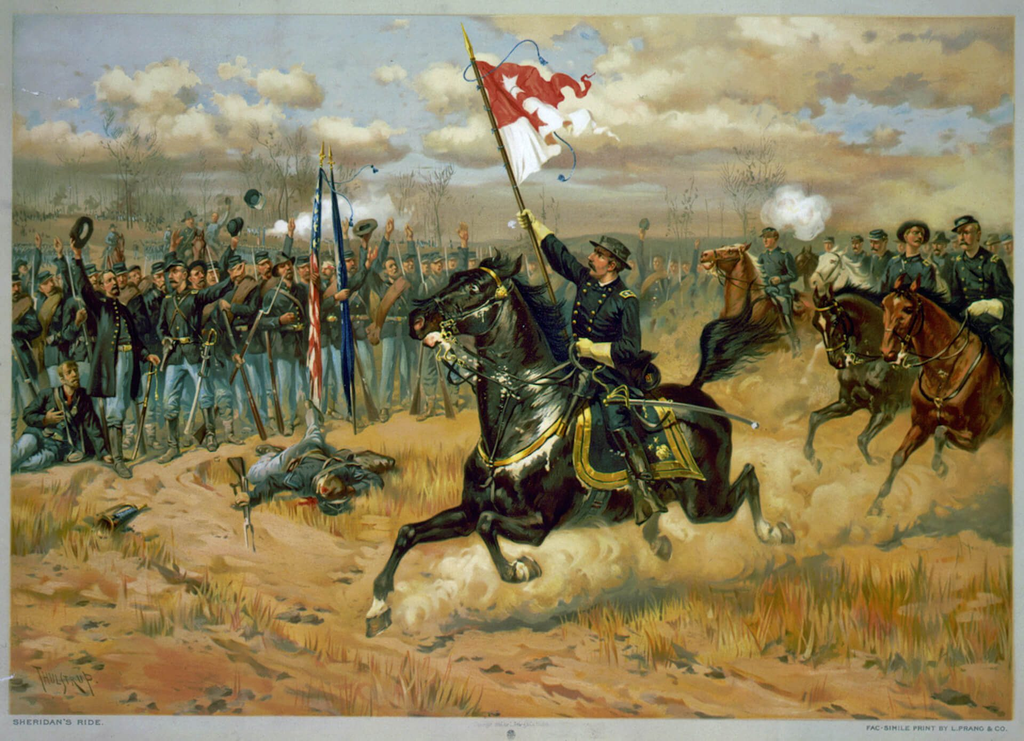
The Burning did not end the fighting in the Valley. Confederate forces continued to challenge Sheridan’s army, and on October 9, Union cavalry defeated Confederate cavalry at Tom’s Brook. The clash later became known as the “Woodstock Races.”
Ten days later, on October 19, 1864, Early launched a surprise attack at Cedar Creek. Sheridan’s army recovered from the early attack, counterattacked, and won a decisive Union victory. Cedar Creek effectively ended major Confederate resistance in the Shenandoah Valley and boosted Northern morale just weeks before the presidential election.
The campaign showed why the Shenandoah Valley mattered so much during the Civil War. Its food production, roads, rail connections, and location made it a prized military region. Its people paid a tremendous price for that importance.
The Burning of the Shenandoah Valley remains a difficult but essential Civil War story. A guided visit brings the campaign’s places, people, and consequences into clearer view. For a longer regional experience, explore our Northern Shenandoah Valley Campaigns Tour.
Visit Civil War Historical Sites With Experts Battlefield Tours of Virginia
The Burning of the Shenandoah Valley remains a difficult but essential Civil War story. A guided visit brings the campaign’s places, people, and consequences into clearer view.
Before you go, please explore our American Civil War Battlefield Tours in Virginia. If you have any questions, get in touch.